
ROOF
STRUCTURES
ROOF
STRUCTURES
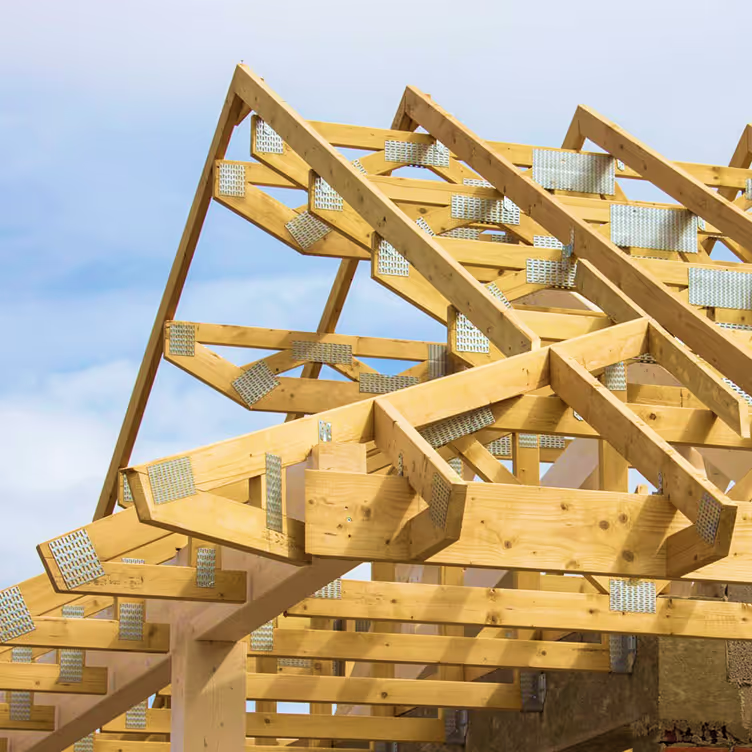
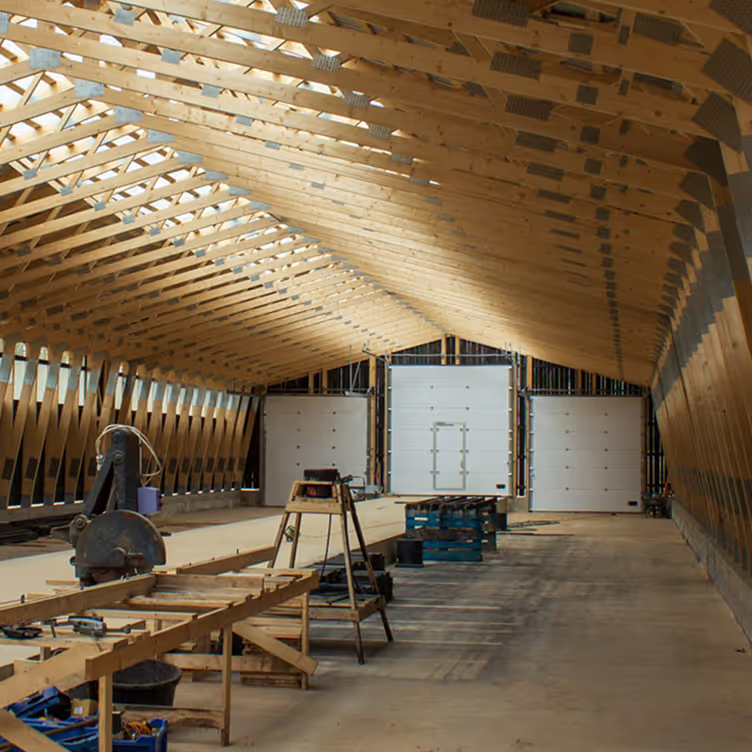
Roof structures are an essential load-bearing component of a building, ensuring the stability and durability of the roof. Today, industrially manufactured timber trusses are widely used and are suitable for both private houses and larger buildings such as warehouses or hangars. They help reduce construction costs, optimize the use of timber materials, and speed up the installation process, as the structures are produced in a factory and only need to be assembled on site. Timber trusses are lightweight, durable, and allow for large spans without additional supports, while ensuring efficient load distribution and providing greater architectural flexibility.
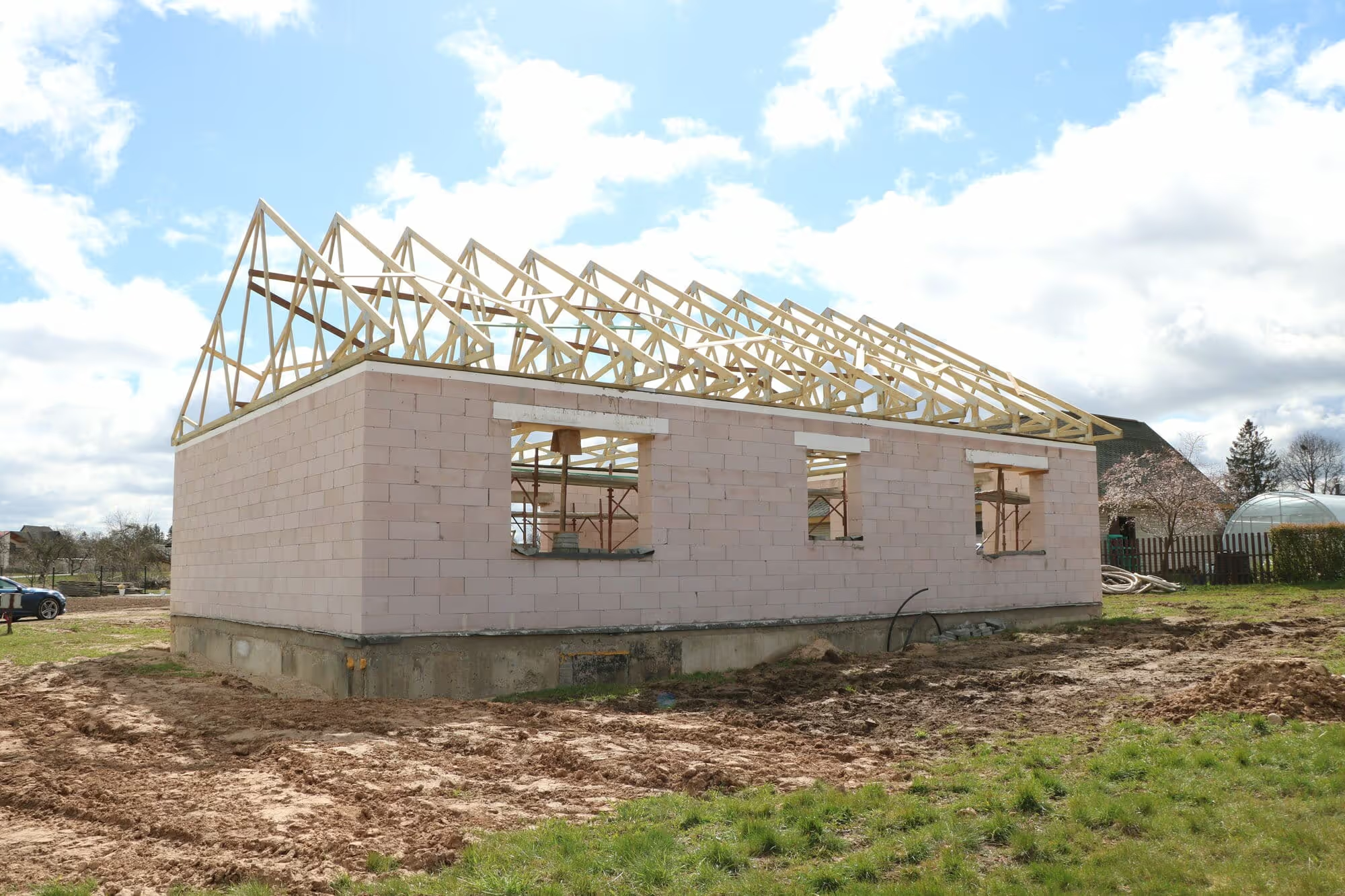
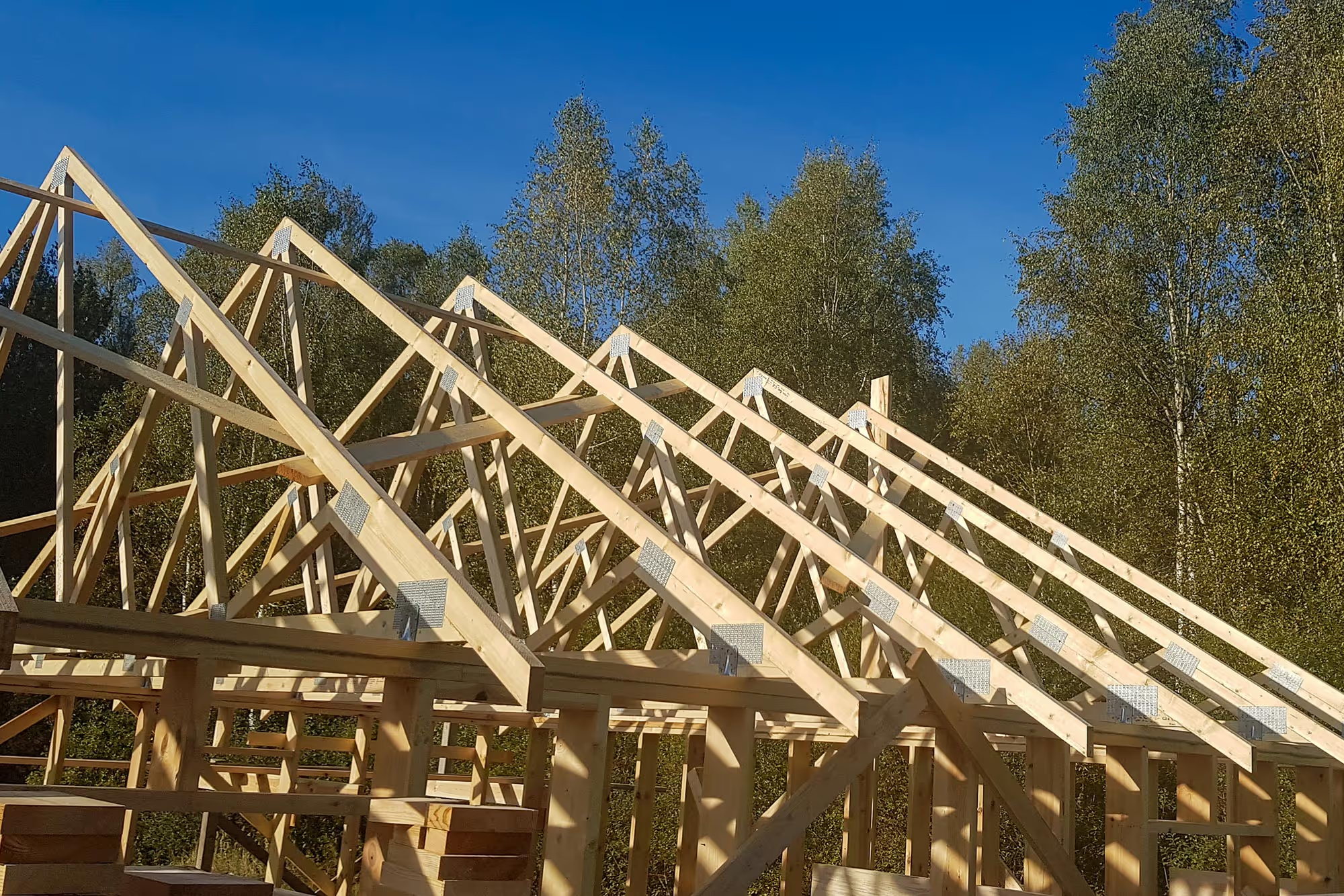
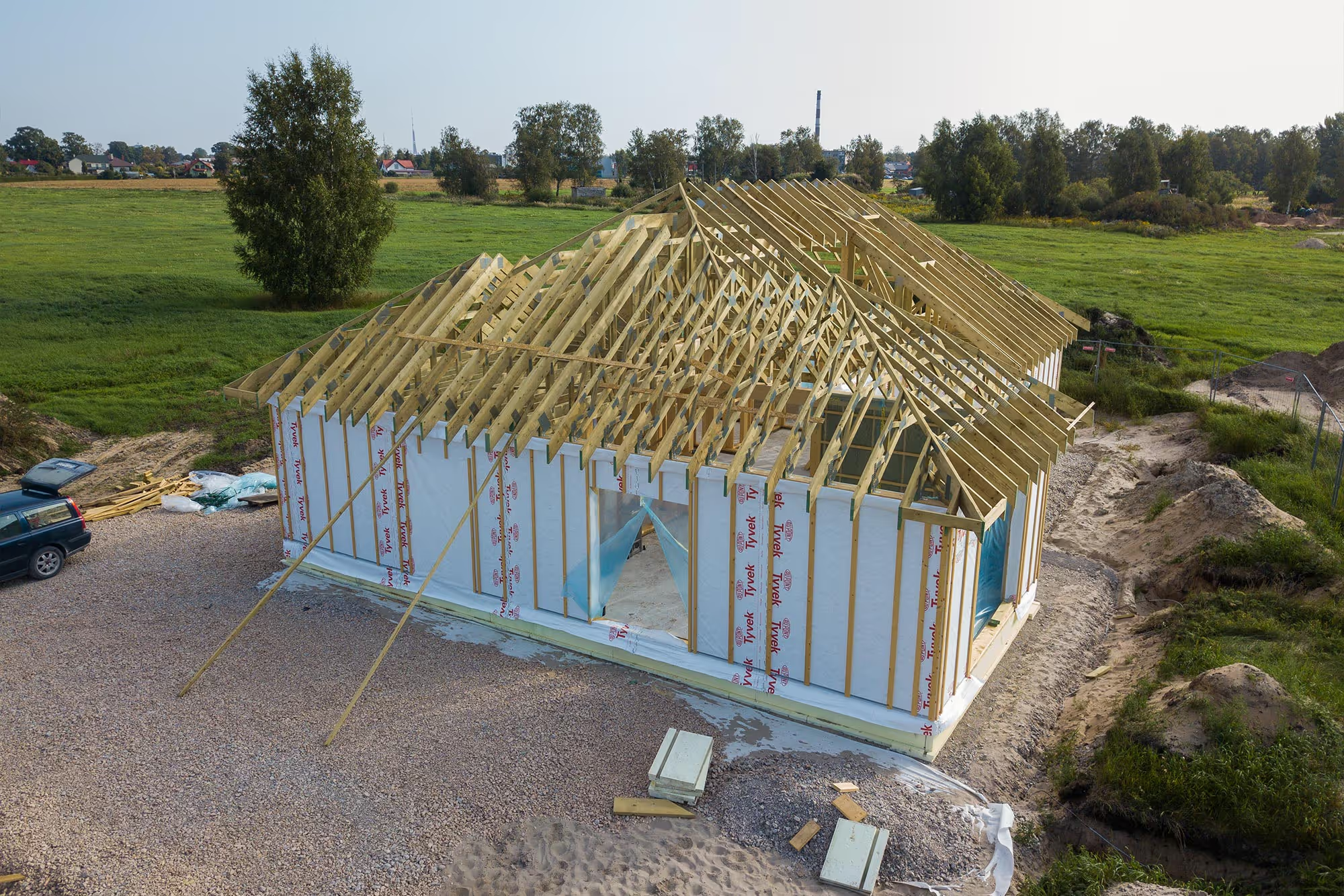
Roof structures are an essential load-bearing component of a building, ensuring the stability and durability of the roof. Today, industrially manufactured timber trusses are widely used and are suitable for both private houses and larger buildings such as warehouses or hangars. They help reduce construction costs, optimize the use of timber materials, and speed up the installation process, as the structures are produced in a factory and only need to be assembled on site. Timber trusses are lightweight, durable, and allow for large spans without additional supports, while ensuring efficient load distribution and providing greater architectural flexibility.
FULL House CONSTRUCTION SETS
FULL House CONSTRUCTION SETS
Manufacturing of timber-frame house structures, providing a full service cycle—from structural design to precise production and preparation for installation on site. The structures are produced according to individual projects, using modern equipment and engineering calculations to ensure the building’s stability, energy efficiency, and long-term durability. Such solutions significantly speed up the construction process, as the finished frame elements only need to be assembled on site, reducing both construction time and costs. The company adapts the structures to the client’s project and technical requirements, ensuring a reliable and high-quality foundation for building modern timber-frame homes.
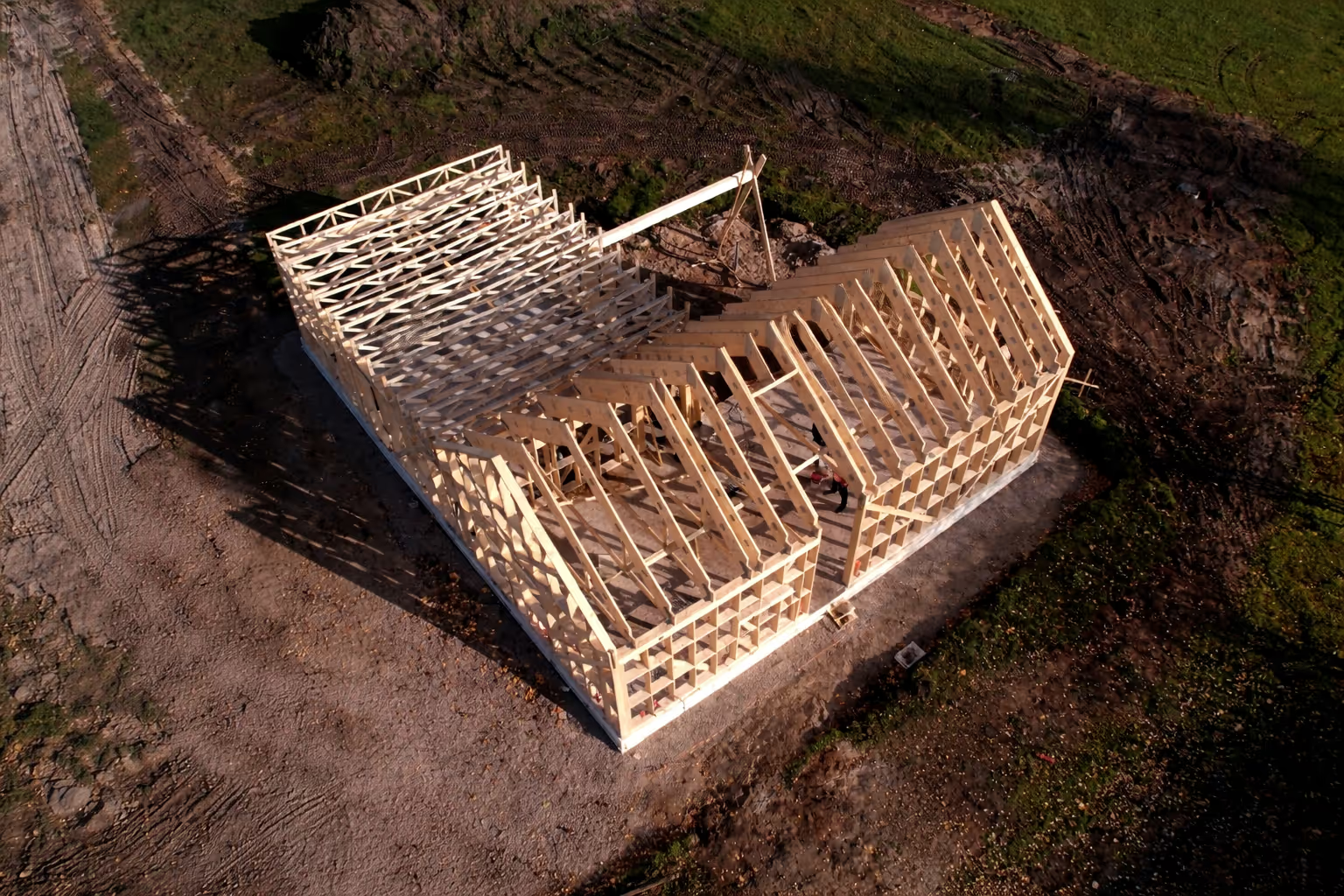
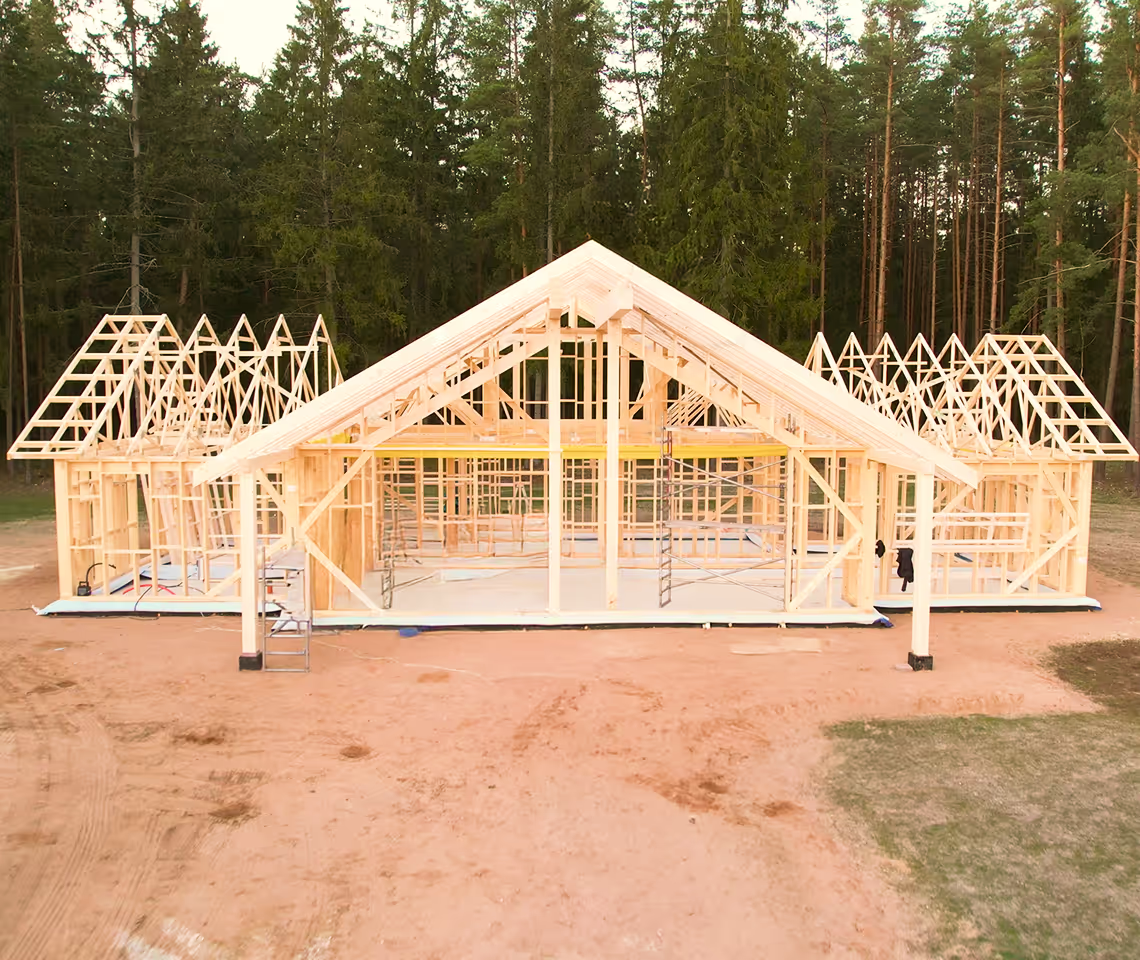
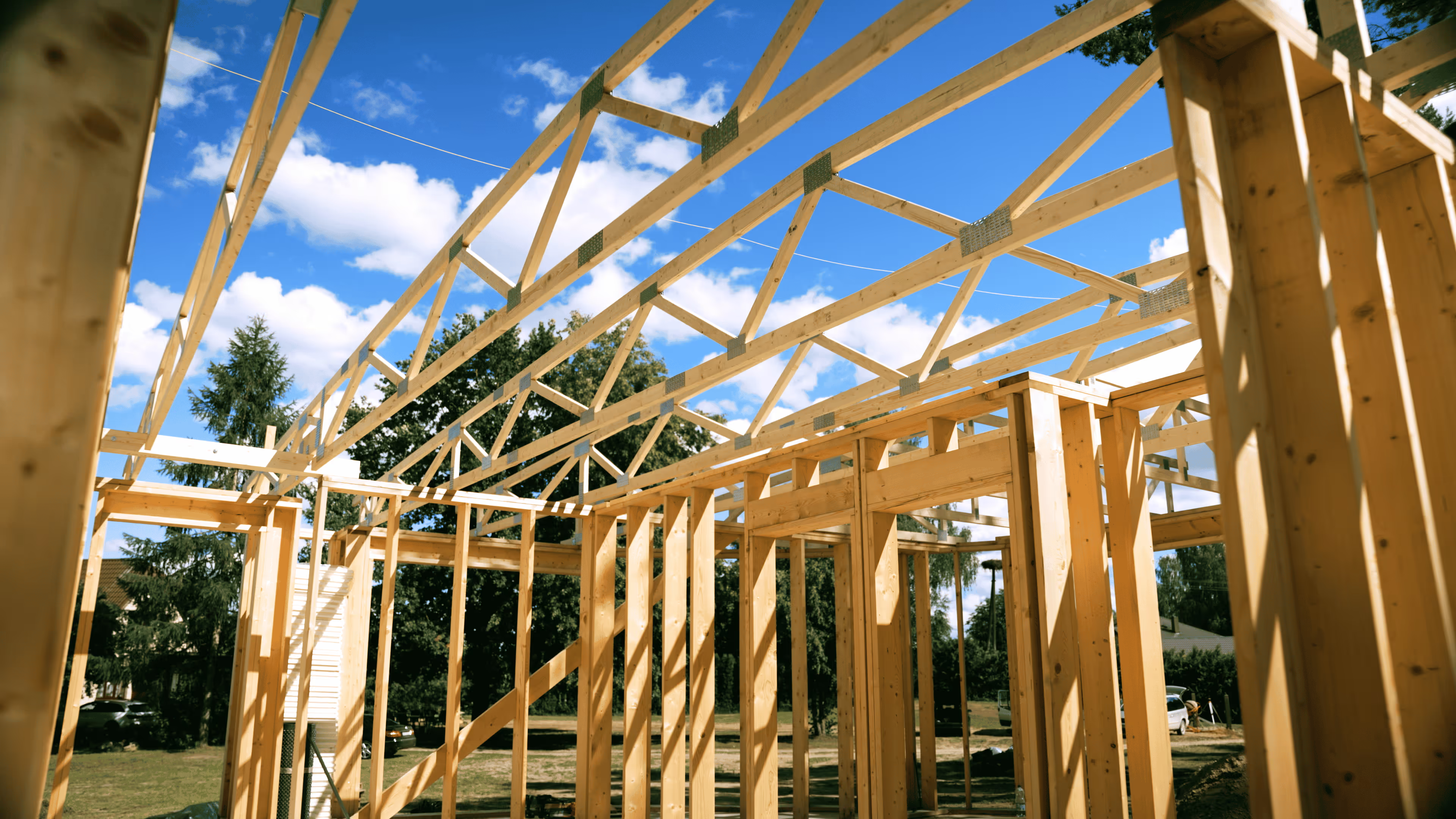
Manufacturing of timber-frame house structures, providing a full service cycle—from structural design to precise production and preparation for installation on site. The structures are produced according to individual projects, using modern equipment and engineering calculations to ensure the building’s stability, energy efficiency, and long-term durability. Such solutions significantly speed up the construction process, as the finished frame elements only need to be assembled on site, reducing both construction time and costs. The company adapts the structures to the client’s project and technical requirements, ensuring a reliable and high-quality foundation for building modern timber-frame homes.
INDUSTRIAL
PROJECTS
INDUSTRIAL
PROJECTS
The company offers professional solutions for both industrial building construction and infrastructure projects, such as bridge formwork structures. The production process uses high-quality C24-grade timber and modern automated equipment, enabling the manufacture of durable structures for large industrial facilities with wide spans as well as temporary structures, such as bridge formwork for concrete works. The finished truss structures are industrially manufactured, ensuring fast installation and an efficient construction process.
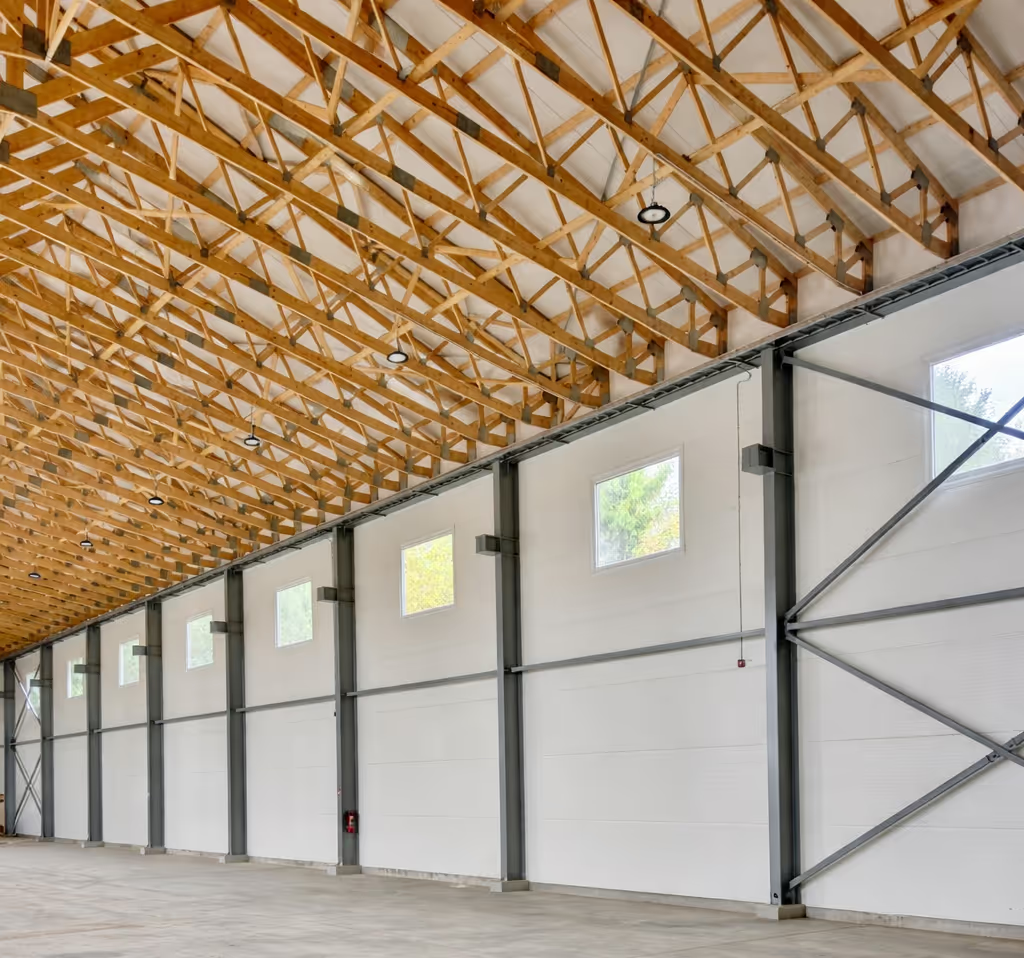
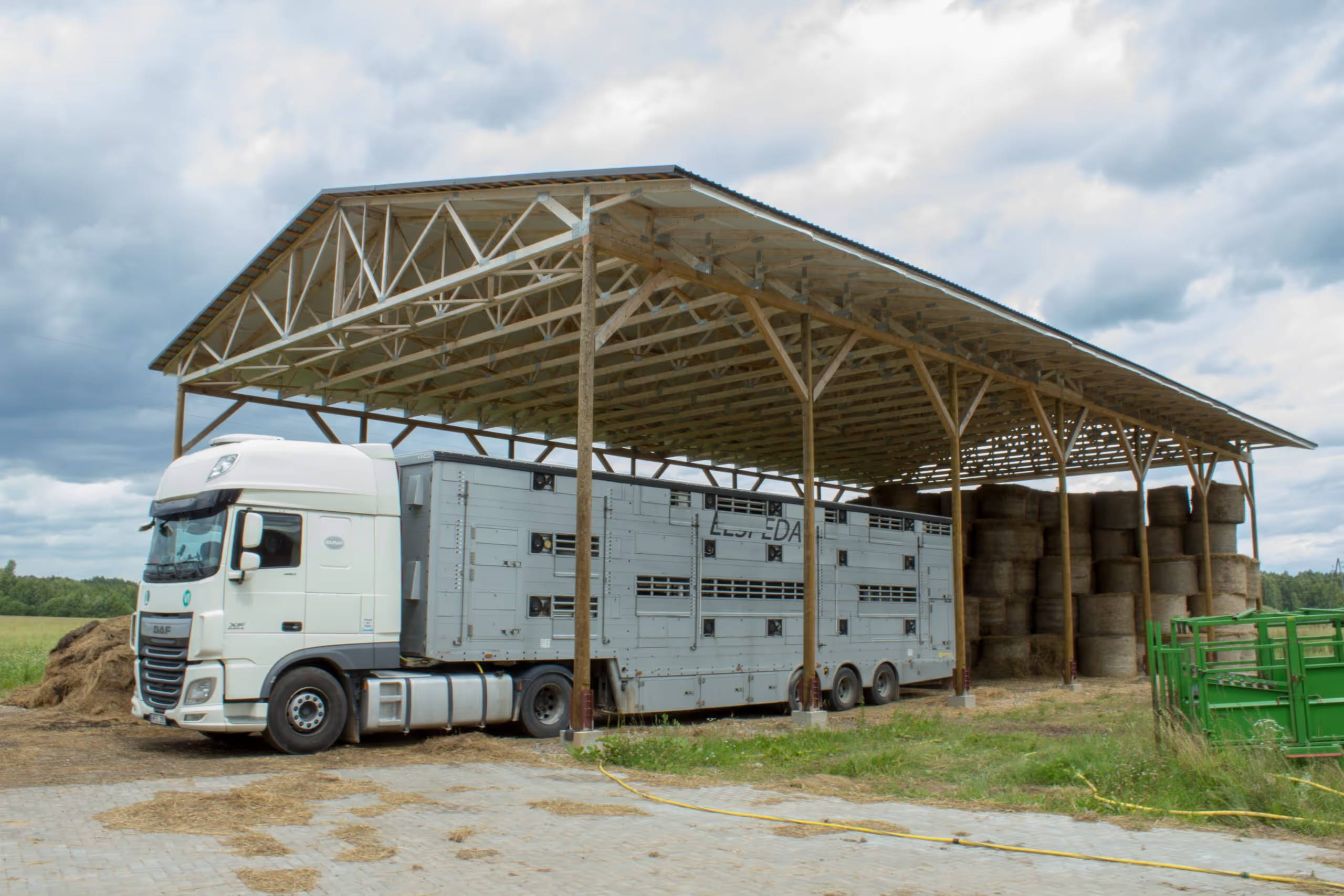
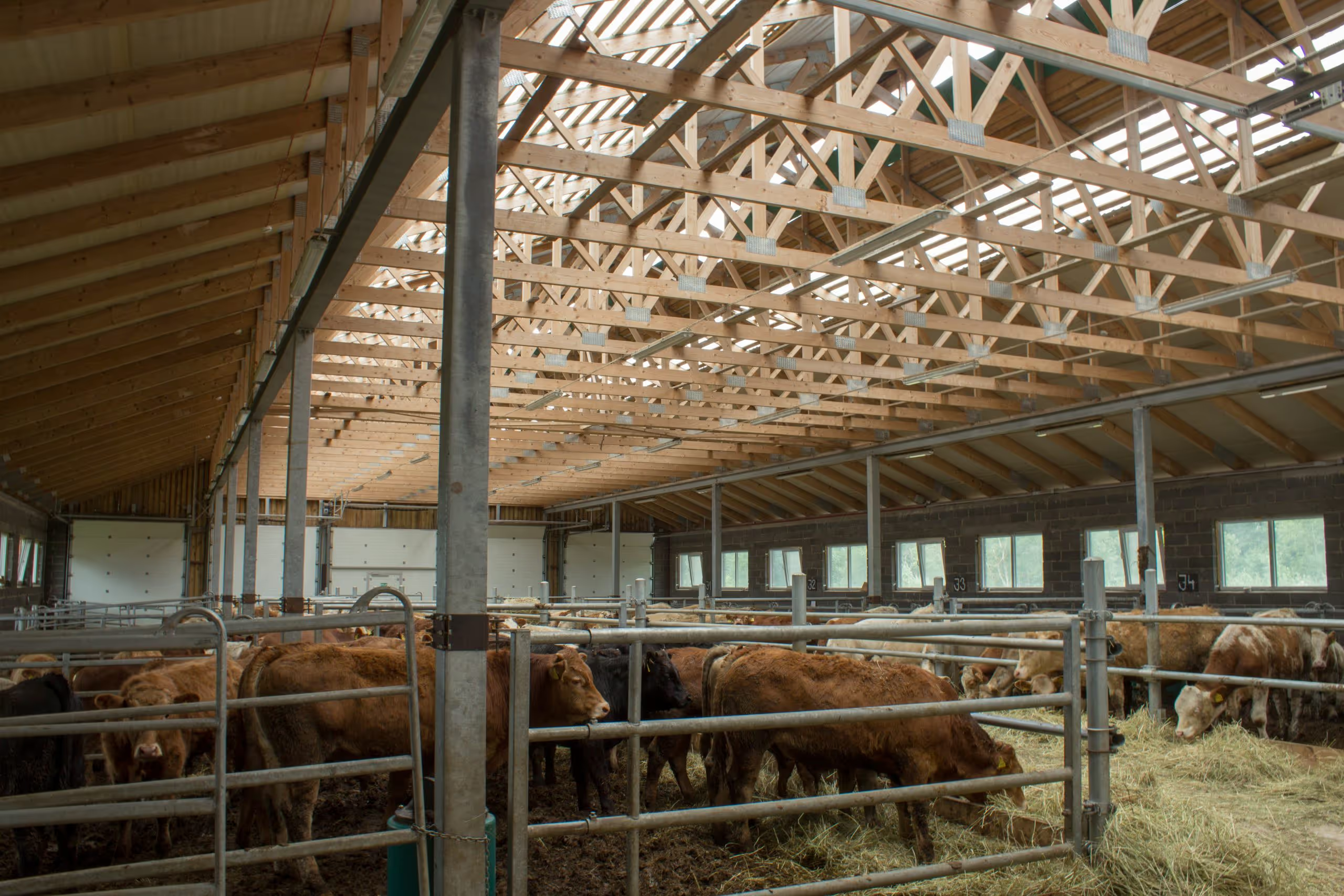
The company offers professional solutions for both industrial building construction and infrastructure projects, such as bridge formwork structures. The production process uses high-quality C24-grade timber and modern automated equipment, enabling the manufacture of durable structures for large industrial facilities with wide spans as well as temporary structures, such as bridge formwork for concrete works. The finished truss structures are industrially manufactured, ensuring fast installation and an efficient construction process.
Timber constructions
Our Services
1. DESIGN
Design of timber trusses and wooden structures, taking into account the client’s needs and the specific characteristics of the project. This includes the preparation of technical drawings, structural calculations, and optimal solutions for a safe and cost-efficient roof structure.
2. DELIVERY
Transportation of manufactured timber structures to the construction site in a safe and timely manner. Delivery is organized to ensure the quality of the structures and convenient unloading at the site.
3. INSTALLATION
Professional installation of timber trusses and wall structures at the construction site, in accordance with technical designs and safety requirements. Proper installation ensures structural stability, durability, and precise roof geometry. LEARN MORE >>>
4. STORAGE
Safe storage of timber trusses until delivery or installation. Appropriate conditions are ensured to protect the structures from moisture, deformation, and mechanical damage.
5. PROJECT AUDIT
Technical evaluation of an existing project to verify that structural solutions comply with load requirements, regulations, and practical implementation. The audit helps identify potential risks or opportunities for optimization at an early stage.
6. REVISION
Review of previously developed truss designs or drawings and implementation of the necessary adjustments. The revision ensures that the structure is accurately adapted to real construction conditions.
7. CONSULTATIONS
Expert consultations on the selection of timber trusses, structural solutions, technical possibilities, and cost optimization. This helps clients make informed decisions during the project planning stage.
8. TECHNICAL SUPPORT
Technical support during the design, production, and installation stages. Specialists assist in resolving technical issues and ensure that the truss system is used in accordance with the project specifications.
Frequently Asked Questions
Wooden trusses are industrially manufactured roof structures that are custom-made according to the specific requirements of each project. High-quality C24 structural timber is used in their production, and the components are connected with specialized steel plates. This results in an exceptionally durable structure with maximum load-bearing capacity.
The cost of trusses is influenced by several factors, including:
Span (length of the bottom chord);
Overhang; Roof pitch;
Spacing between trusses;
Number of trusses;
Load requirements.
To prepare an accurate quotation, the following information is required:
Project address;
Type of roof covering;
Building function;
Desired delivery date;
Drawings – section view and floor plan.
The exact location of a new building requiring roof trusses is essential for calculating snow and wind loads, which vary by region.
The type of roof covering determines how much weight per square meter the truss must support.
Wooden trusses offer the possibility to create large-span structures of up to 35 meters without the need for load-bearing internal walls. They also allow for customized solutions, adapting trusses to virtually any shape.
Trusses are highly versatile and can be easily connected to other structural elements, such as steel beams.
They are designed using professional engineering software, enabling fast and high-quality production with millimeter-level precision. Wooden truss solutions provide virtually unlimited planning and reconfiguration possibilities.
Since trusses are manufactured in a factory environment, they are not exposed to changing weather conditions during production, ensuring consistent quality.
Trusses are delivered to the construction site ready for installation. Their assembly does not require highly specialized knowledge or a highly skilled workforce.
Wooden trusses are an environmentally friendly product with a relatively simple manufacturing process that minimizes unnecessary use of timber resources.
Wooden trusses are industrially manufactured structures, which means their production is more precise and, in most cases, significantly more cost-effective.
Choosing wooden trusses requires less timber. In many cases, rafter roof construction requires up to 30% more timber compared to roof trusses.
Rafter installation is also considerably more time-consuming than truss installation. Comparative studies show that rafter assembly can take up to 2.5 times longer than installing wooden trusses.
The timing of a truss order is an important factor to ensure delivery by the planned installation date, especially during the construction season when demand is at its highest.
Therefore, we recommend initiating communication and project preparation before the construction of the house begins, or, for example, when excavation work starts.
During peak season, the manufacturing lead time may exceed one month if the order is placed at the last minute.
Delivery of trusses to the construction site is a separate service, carried out either by a transporter arranged by the client or provided by our company. Most commonly, trusses are lifted into place on-site using a crane.
If the building contractor is familiar with the truss installation process, the work can be completed efficiently and to a high standard. However, it should be noted that a crane is usually required to lift the trusses into position.
We can also recommend reliable partners who will carry out truss installation quickly and professionally.
The weight of roof trusses varies depending on their size. For example, a truss that is 10 meters long and 2.7 meters high weighs approximately 75 kilograms.
The cost of roof trusses in mainly depends on the house design, the complexity of the roof structure, and the location of the project. Prices are also influenced by the truss spans, roof shape, materials used, and any required technical solutions. To receive an accurate quote for roof trusses, we recommend submitting your project plans or sketches for the preparation of a tailored solution.
We typically prepare a roof truss quote and technical solution within 3–7 business days. During periods of higher demand, the preparation time may be slightly longer.
The standard production lead time for FREIMANS roof trusses and timber structures is approximately 2 weeks. During the peak construction season, the production lead time may increase to up to 8 weeks.
FREIMANS provides a 120-month (10-year) warranty for manufactured roof trusses and timber structures.